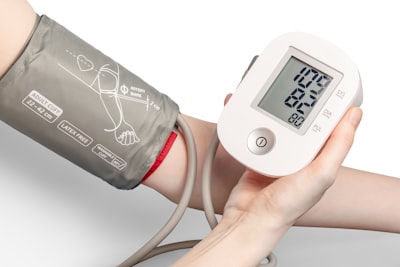
Potassium Supplements: Best Forms for Blood Pressure and Heart Health
Medically reviewed by Dr. Sarah Mitchell, MD — Internal Medicine
See also: Best Electrolyte Supplements 2026: Powders, Pills & Drinks Compared | Electrolyte Supplements: Sodium, Potassium, Magnesium for Hydration
Why Potassium Is the Most Underrated Mineral for Heart Health
While everyone focuses on reducing sodium for blood pressure, the other half of the equation — increasing potassium — gets far less attention. Yet research consistently shows that potassium intake is as important as sodium reduction for cardiovascular health.
The landmark INTERSALT study found that low potassium excretion (a marker of intake) was associated with higher blood pressure across 32 countries, independent of sodium intake. Subsequent research confirmed that increasing potassium intake by 1000mg/day reduces systolic blood pressure by 2-3 mmHg.
The Sodium-Potassium Ratio: What Matters Most
Modern diets have completely inverted the natural sodium-potassium ratio:
| Ancient Diet | Modern Diet | Optimal | |
|---|---|---|---|
| Sodium | 700mg/day | 3400mg/day | <2300mg/day |
| Potassium | 7000mg/day | 2500mg/day | 3500-4700mg/day |
| Na:K Ratio | 1:10 | 1.4:1 | 1:2 or lower |
The problem: We’re consuming 5x more sodium and 60% less potassium than our evolutionary baseline. This imbalance drives hypertension, stroke, and cardiovascular disease.
Best Potassium Supplement Forms
| Form | Potassium Content | Best For | Notes |
|---|---|---|---|
| Potassium citrate | 99mg per tablet | Blood pressure, kidney stones | Well-absorbed, alkaline |
| Potassium gluconate | 99mg per tablet | General supplementation | Gentle on stomach |
| Potassium chloride | 20-40mg per tablet | Severe deficiency | Prescription for higher doses |
| Potassium bicarbonate | 100mg per tablet | Acid-base balance | Alkalizing |
Winner: Potassium citrate. It provides the dual benefit of potassium and citrate (which reduces kidney stone risk). Most over-the-counter supplements contain only 99mg per tablet because higher doses of potassium chloride can cause GI irritation.
⚠️ Why OTC potassium is limited to 99mg: High-dose potassium chloride tablets can cause small intestinal ulceration and stenosis. The FDA limits OTC potassium supplements to 99mg per tablet for safety. Higher doses require prescription.
Optimal Potassium Dosage
| Goal | Daily Intake | From Supplement |
|---|---|---|
| General health | 3500-4700mg | 0-200mg (diet should provide most) |
| Blood pressure support | 4700mg | 100-200mg + high-potassium diet |
| Kidney stone prevention | 3500-4700mg | 100-200mg potassium citrate |
| Strenuous exercise | 4700mg+ | 100-200mg + electrolyte drinks |
Potassium-Rich Foods (Aim for 3500mg+ from diet)
| Food | Potassium per Serving | % Daily Value |
|---|---|---|
| Sweet potato, baked (1 medium) | 542mg | 11% |
| Avocado (1 whole) | 975mg | 21% |
| Banana (1 medium) | 422mg | 9% |
| White beans (1 cup) | 1004mg | 21% |
| Spinach, cooked (1 cup) | 839mg | 18% |
| Salmon (3 oz) | 534mg | 11% |
| Plain yogurt (1 cup) | 573mg | 12% |
| Tomato sauce (1/2 cup) | 405mg | 9% |
| Cantaloupe (1 cup) | 417mg | 9% |
Who Should Be Cautious with Potassium Supplements?
⚠️ Do NOT supplement potassium without medical supervision if you:
- Take ACE inhibitors (lisinopril, enalapril) — these increase potassium retention
- Take ARBs (losartan, valsartan) — same effect
- Take Potassium-sparing diuretics (spironolactone, eplerenone)
- Have chronic kidney disease — kidneys may not excrete excess potassium
- Have adrenal insufficiency (Addison’s disease)
Hyperkalemia (excess potassium) is a medical emergency that can cause cardiac arrhythmias and cardiac arrest. Symptoms include muscle weakness, tingling, nausea, and irregular heartbeat.
Potassium and Magnesium: The Hidden Connection
Low magnesium impairs potassium regulation. The kidney’s ability to retain potassium depends on adequate magnesium levels. This means:
- Magnesium deficiency → potassium wasting in urine
- Correcting magnesium → improves potassium retention
- Best approach: Ensure adequate magnesium (300-400mg) before focusing on potassium supplementation
🏆 Best Potassium Citrate for Blood Pressure
Look for potassium citrate 99mg tablets. Take 1-2 tablets daily with meals. Prioritize dietary potassium from fruits and vegetables — supplements should fill gaps, not replace food.
View Best Potassium Citrate →Sources & References
- Aburto NJ, et al. "Effect of increased potassium intake on cardiovascular risk factors and disease." BMJ. 2013;346:f1378. PMID: 23558164
- Weaver CM. "Potassium and health." Adv Nutr. 2013;4(3):368S-377S.