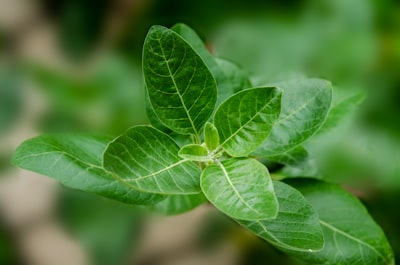
Ashwagandha Dosage Guide 2026: How Much to Take by Goal
Medically reviewed by Dr. Sarah Mitchell, MD — Internal Medicine
See also: Ashwagandha Benefits, Dosage & Best Supplements 2026 | Best Adaptogens 2026: Top 7 Stress-Relief Herbs Compared
Quick Reference: Ashwagandha Dosing at a Glance
| Goal | Extract | Daily Dose | Timing | Onset |
|---|---|---|---|---|
| General stress support | KSM-66 or Sensoril | 300-600mg | Split 2x/day | 2-4 weeks |
| Anxiety | KSM-66 | 300mg 2x/day | Morning + evening | 2-4 weeks |
| Sleep support | Sensoril (preferred) | 300-600mg | 30-60 min before bed | 1-2 weeks |
| Testosterone support | KSM-66 | 300mg 2x/day | Morning + evening | 4-8 weeks |
| Sports performance | KSM-66 | 300-600mg | Morning + post-workout | 4-8 weeks |
| Cognitive function | KSM-66 | 300mg 2x/day | Morning + evening | 4-8 weeks |
| Thyroid support | KSM-66 | 300mg 2x/day | Morning + evening | 4-8 weeks |
Understanding Ashwagandha Extracts
Before diving into dosing, it’s critical to understand that not all ashwagandha supplements are equivalent. The extract type and standardization determine the effective dose.
KSM-66 Ashwagandha
- Standardization: ≥5% withanolides (by HPLC)
- Source: Root extract only (no leaves)
- Extraction: Solvent-free, water-based (“green chemistry”)
- Research: 24+ published clinical trials
- Dose range in studies: 300-600mg/day
- Best for: Stress, anxiety, sports performance, testosterone, cognitive function
- Key advantage: Largest evidence base; most studied extract
Sensoril Ashwagandha
- Standardization: ≥10% withanolides
- Source: Root + leaf extract
- Extraction: Patented process
- Research: 10+ published clinical trials
- Dose range in studies: 125-600mg/day
- Best for: Sleep, anxiety, cortisol reduction
- Key advantage: Higher withanolide percentage means more potent per mg
Other Extracts
- Shoden®: Standardized to ≥35% withanolides (very potent, limited research)
- Generic root powder: Variable withanolide content (0.5-2%), less reliable
- Leaf-only extracts: Different withanolide profile, less clinical evidence
💡 Recommendation: Stick with KSM-66 or Sensoril — these are the only extracts with substantial clinical trial evidence. The specific dosing in studies used these extracts, so generic ashwagandha may not produce the same results.
Dosing by Condition
1. Anxiety & Stress
Recommended dose: 300mg KSM-66 twice daily (600mg total) or 125mg Sensoril twice daily
Clinical basis:
- Chandrasekhar et al. (2012): 300mg KSM-66 twice daily for 60 days reduced cortisol by 27.9% and significantly improved stress and anxiety scores in 64 adults with chronic stress.
- Auddy et al. (2008): 300mg KSM-66 twice daily for 60 days significantly reduced HAM-A anxiety scores.
- Salve et al. (2019): 300mg KSM-66 twice daily for 8 weeks reduced morning cortisol by 23% and improved sleep quality.
Protocol:
- Week 1: 300mg once daily (morning, with food)
- Week 2+: 300mg twice daily (morning and evening, with food)
- Full effects: 4-8 weeks
Why split the dose? Ashwagandha’s cortisol-reducing effects are sustained over 8-12 hours. Splitting the dose maintains more consistent blood levels throughout the day, providing both morning stress resilience and evening calm.
2. Sleep Support
Recommended dose: 300-600mg Sensoril (or 300mg KSM-66) taken 30-60 minutes before bed
Clinical basis:
- Langade et al. (2019): 300mg KSM-66 twice daily for 8 weeks significantly improved PSQI sleep quality scores, sleep onset latency, and total sleep time in both healthy subjects and insomnia patients.
- Deshpande et al. (2020): Sensoril at 125mg twice daily improved sleep quality and reduced time to fall asleep within 4 weeks.
- Salve et al. (2019): 300mg KSM-66 twice daily improved sleep quality scores, with evening dosing being particularly beneficial.
Protocol:
- Take 300-600mg 30-60 minutes before bed
- Sensoril is preferred for sleep (higher withanolide content, more sedating)
- Can be taken alone or as part of a sleep stack (with magnesium glycinate + glycine)
Note: If using KSM-66 for sleep, take the full daily dose (600mg) before bed rather than splitting. The sedating effects are more useful at night.
3. Testosterone & Male Fertility
Recommended dose: 300mg KSM-66 twice daily (600mg total)
Clinical basis:
- Ahmad et al. (2010): 300mg KSM-66 twice daily for 8 weeks increased testosterone by 15.4% and improved sperm quality (count, motility) in 60 infertile men.
- Lopresti et al. (2019): 300mg KSM-66 daily for 8 weeks increased DHEA-S by 18.4% and improved testosterone levels in overweight men aged 40-70.
- Wankhede et al. (2015): 300mg KSM-66 twice daily for 8 weeks increased testosterone by 9.5% and significantly improved muscle strength and recovery in young men engaged in resistance training.
Protocol:
- 300mg KSM-66 twice daily with meals
- Minimum 8 weeks for measurable testosterone changes
- Best combined with resistance training, zinc (15-30mg), and vitamin D3 (2,000-4,000 IU)
For women: Ashwagandha also supports hormonal balance in women, but the testosterone research is specific to men. Women benefit more from the stress-reducing and cortisol-lowering effects.
4. Sports Performance & Muscle Strength
Recommended dose: 300-600mg KSM-66 daily
Clinical basis:
- Wankhede et al. (2015): 300mg KSM-66 twice daily for 8 weeks significantly increased muscle strength (bench press +14.2%, leg extension +10.2%), muscle size (arm +5.2%, chest +4.1%), and testosterone, while reducing exercise-induced muscle damage (lower creatine kinase).
- Shenoy et al. (2012): 500mg KSM-66 daily for 8 weeks improved VO2 max and endurance in elite cyclists.
- Choudhary et al. (2015): 300mg KSM-66 twice daily for 12 weeks improved reaction time and cognitive performance in athletes.
Protocol:
- 300mg KSM-66 twice daily (morning + post-workout)
- Minimum 8 weeks for performance benefits
- Stack with creatine (5g/day) and protein for maximum muscle-building synergy
5. Cognitive Function & Memory
Recommended dose: 300mg KSM-66 twice daily
Clinical basis:
- Choudhary et al. (2017): 300mg KSM-66 twice daily for 8 weeks improved immediate memory (+27%), general memory (+23%), and attention in 50 adults with mild cognitive impairment.
- Ng et al. (2020): A systematic review found ashwagandha improved executive function, attention, and information processing speed across multiple studies.
Protocol:
- 300mg KSM-66 twice daily with meals
- Minimum 8 weeks for cognitive benefits
- Stack with omega-3s (EPA/DHA) and Bacopa monnieri for enhanced cognitive effects
6. Thyroid Support
Recommended dose: 300mg KSM-66 twice daily
Clinical basis:
- Sharma et al. (2018): 300mg KSM-66 twice daily for 8 weeks significantly improved thyroid function (increased T3 and T4 levels) in patients with subclinical hypothyroidism.
- Abdel-Wahhab & Mourad (2016): Ashwagandha normalized thyroid hormone levels in animal models of hypothyroidism.
⚠️ Important caution: Ashwagandha may increase thyroid hormone levels. If you have hyperthyroidism (overactive thyroid), avoid ashwagandha. If you’re on thyroid medication (levothyroxine), consult your doctor before supplementing — you may need a dose adjustment.
Timing: When to Take Ashwagandha
For Stress & Anxiety (Split Dose)
- Morning: 300mg with breakfast — provides stress resilience throughout the day
- Evening: 300mg with dinner — reduces evening cortisol, promotes calm
For Sleep (Single Dose)
- 30-60 minutes before bed: 300-600mg — leverages the sedating effects
For Testosterone & Performance (Split Dose)
- Morning: 300mg with breakfast
- Post-workout or evening: 300mg — supports recovery and anabolic hormone production
General Rules
- Always take with food: Reduces the small risk of GI discomfort and may enhance absorption
- Consistency is critical: Ashwagandha’s adaptogenic effects build over weeks. Daily use is more effective than intermittent use.
- Can be taken any time: Unlike stimulants, ashwagandha doesn’t interfere with sleep when taken in the morning (and may actually improve next-day sleep through cortisol regulation).
Cycling: Should You Take Breaks?
There’s no definitive clinical consensus on cycling ashwagandha, but here are the common approaches:
Approach 1: Continuous Use (No Cycling)
- Supported by traditional Ayurvedic use (continuous use for months/years)
- Clinical trials have used ashwagandha continuously for up to 12 weeks without adverse effects
- Best for: Chronic stress, ongoing anxiety, long-term testosterone support
Approach 2: 8 Weeks On / 2 Weeks Off
- The most commonly recommended cycling protocol
- Theoretical rationale: Prevents receptor downregulation (though no evidence this actually occurs with ashwagandha)
- Best for: Long-term users who want to be conservative
Approach 3: 12 Weeks On / 4 Weeks Off
- More conservative approach
- Best for: Those using higher doses (600mg+)
💡 Our recommendation: For most people, continuous use at 300-600mg/day is safe and effective. If you’ve been using ashwagandha for 6+ months, consider a 2-4 week break to reassess whether you still need it.
Loading Phase: Is One Needed?
Unlike creatine, ashwagandha does not require a loading phase. Its effects build gradually as withanolides accumulate in tissues and the HPA axis adapts. However, some practitioners suggest:
Optional loading protocol:
- Week 1: 300mg/day
- Week 2: 300mg twice daily
- Week 3+: 300mg twice daily (maintenance)
This gradual introduction minimizes the small risk of GI discomfort and allows you to assess tolerance before committing to the full dose.
Side Effects & Safety at Various Doses
300mg/day (Low Dose)
- Side effects: Rare (<2% in clinical trials)
- May be insufficient for some conditions (testosterone, sports performance)
600mg/day (Standard Dose)
- Side effects: Occasional drowsiness (5-8%), mild GI discomfort (3-5%)
- This is the most studied dose range and is very well-tolerated
1,000mg+/day (High Dose)
- Side effects: More common drowsiness, GI discomfort
- Not well-studied at these doses
- Not recommended without medical supervision
Who Should Avoid Ashwagandha
- Pregnancy: May have abortifacient effects at high doses
- Hyperthyroidism: May further increase thyroid hormone levels
- Autoimmune diseases: May stimulate immune function (lupus, rheumatoid arthritis, Hashimoto’s)
- Scheduled surgery: Stop 2 weeks before (may affect blood pressure and anesthesia)
- Drug interactions: May enhance effects of sedatives, thyroid medications, and immunosuppressants
Frequently Asked Questions
What is the best time to take ashwagandha?
For stress and anxiety, split the dose (morning + evening). For sleep, take it 30-60 minutes before bed. For testosterone and performance, take morning + post-workout. Always take with food.
How long does ashwagandha take to work?
Most people notice subtle effects within 1-2 weeks. Full benefits for anxiety and cortisol reduction emerge at 4-8 weeks. Testosterone and sports performance benefits typically require 8+ weeks.
Can women take ashwagandha?
Absolutely. While much of the testosterone research focuses on men, women benefit from ashwagandha’s stress-reducing, sleep-enhancing, and anxiety-relieving properties. Women should use the same doses (300-600mg/day).
Is KSM-66 or Sensoril better?
Both are excellent. KSM-66 has more clinical trials and is better for physical performance and testosterone. Sensoril is more potent per mg (higher withanolide percentage) and may be better for sleep. For general use, either works well.
Can I take ashwagandha with other supplements?
Yes. Ashwagandha stacks well with:
- Magnesium glycinate: Complementary calming mechanisms
- L-Theanine: Additional anxiety relief
- Rhodiola rosea: Morning Rhodiola (energy) + evening Ashwagandha (calm)
- Zinc + Vitamin D3: Supports testosterone synthesis
- Phosphatidylserine: Complementary cortisol reduction
What happens if I stop taking ashwagandha?
There’s no withdrawal syndrome. Benefits gradually fade over 2-4 weeks as cortisol levels return to baseline. Some people find they can stop after 3-6 months of use if they’ve addressed the underlying stress factors.
The Bottom Line
Ashwagandha dosing is straightforward:
- Choose KSM-66 or Sensoril — these are the only extracts with robust clinical evidence
- Start with 300mg once daily for the first week
- Increase to 300mg twice daily (600mg total) for the standard therapeutic dose
- Take with food — morning and evening for stress/anxiety; before bed for sleep
- Give it 4-8 weeks before assessing full effects
- Stack with magnesium and L-theanine for comprehensive stress and sleep support
For most people, 600mg/day of KSM-66 is the sweet spot — it’s the most studied dose, it’s effective for the widest range of conditions, and it’s very well-tolerated.
Sources: Chandrasekhar et al. (2012) Indian J Psychol Med 34(3):255-262; Ahmad et al. (2010) Fertil Steril 94(3):989-996; Wankhede et al. (2015) J Int Soc Sports Nutr 12:43; Langade et al. (2019) Cureus 11(9):e5797; Choudhary et al. (2017) J Diet Suppl 14(6):599-612; Lopresti et al. (2019) Medicine 98(47):e17186; Sharma et al. (2018) J Altern Complement Med 24(3):243-248
Related Articles
- Ashwagandha Benefits, Dosage & Best Supplements 2026 — Complete guide to ashwagandha — the adaptogen for anxiety, cortisol, sleep, and testosterone. Evidence-based dosing, …
- Best Adaptogens 2026: Top 7 Stress-Relief Herbs Compared — We compared the best adaptogenic herbs — ashwagandha, rhodiola, holy basil, reishi, cordyceps, ginseng, and schisandr…
- Best Supplements for Stress Resilience 2026: Build Your Adaptogen Stack — Top supplements for stress resilience — ashwagandha, rhodiola, holy basil, reishi, L-theanine, and magnesium. Clinica…