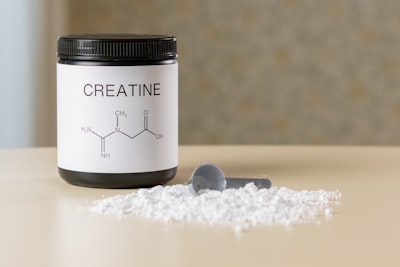
Creatine Monohydrate vs HCL vs Ethyl Ester: Which Form Is Best?
Last updated: December 20, 2025. Medically reviewed by Dr. Sarah Mitchell, MD.
Quick Answer: Creatine Monohydrate is the best form — it’s the most researched, most effective, and cheapest. HCL and ethyl ester are marketing gimmicks with no proven advantage. Save your money and buy monohydrate.
Creatine Form Comparison Table
| Factor | Monohydrate | HCL | Ethyl Ester |
|---|---|---|---|
| Research backing | ★★★★★ 500+ studies | ★★☆☆☆ ~5 studies | ★☆☆☆☆ ~3 studies |
| Muscle creatine increase | ★★★★★ Proven | ★★★☆☆ Unproven advantage | ★★☆☆☆ Worse than mono |
| Solubility | ★★★☆☆ Moderate | ★★★★★ High | ★★★★☆ Good |
| Cost per 5g serving | $0.10-0.15 | $0.30-0.50 | $0.40-0.60 |
| Bloating/ GI issues | ★★★☆☆ Some at high doses | ★★★★☆ Less reported | ★★★☆☆ Similar |
| Overall rating | 🏆 Best | ❌ Overpriced | ❌ Avoid |
Detailed Comparison
Creatine Monohydrate — Best Overall 🏆
What it is: Creatine bound to a water molecule. The original and most studied form.
Pros:
- 500+ clinical studies proving efficacy
- Increases muscle strength by 5-10%
- Increases muscle size by 1-2kg over 4-12 weeks
- Improves high-intensity exercise performance
- May improve cognitive function
- Extremely cheap
Cons: Can cause mild bloating in some people during loading phase. Not very soluble in water.
Best for: Everyone. Athletes, gym-goers, vegans (who have lower baseline creatine), older adults. Dosage: 3-5g daily (no loading needed). Best brand tested: Creapure (micronized monohydrate)
Related: Best Creatine Supplements
Creatine HCL — Overpriced Alternative
What it is: Creatine bound to hydrochloric acid.
Pros: More soluble in water. Marketing claims better absorption.
Cons: No clinical evidence it’s superior to monohydrate. Costs 3-5x more. The “better absorption” claim is based on solubility, not actual muscle uptake studies.
Verdict: Not worth the premium. Monohydrate works just as well for a fraction of the price.
Creatine Ethyl Ester — Avoid ❌
What it is: Creatine with an ester group attached, supposedly for better absorption.
Cons: A 2009 study in the Journal of the International Society of Sports Nutrition found creatine ethyl ester was worse than monohydrate at increasing muscle creatine levels. The ester group actually makes it less effective.
Verdict: Avoid. It’s more expensive and less effective.
The Bottom Line
Buy creatine monohydrate. Specifically, look for Creapure (a German-manufactured brand known for purity). Take 3-5g daily. That’s it. Don’t fall for marketing hype about fancy forms.
Frequently Asked Questions
Do I need to load creatine? No. Loading (20g/day for 5 days) saturates muscles faster but causes more bloating. 3-5g daily reaches the same saturation in ~3-4 weeks.
Should I cycle creatine? No. There’s no evidence that cycling is beneficial. Continuous use is safe and effective.
Is creatine safe long-term? Yes. A 2019 review in Journal of the International Society of Sports Nutrition confirmed creatine is safe for long-term use in healthy individuals.
Does creatine cause kidney damage? No. This is a myth. Multiple studies have shown creatine does not harm kidney function in healthy individuals. However, people with pre-existing kidney disease should consult their doctor.
Is creatine just for bodybuilders? No. Creatine benefits include cognitive function, bone health, and healthy aging. It’s especially beneficial for vegans and older adults.