Zinc vs Quercetin for Immunity: Which Works Better?
Medically reviewed by Dr. Sarah Mitchell, MD — Internal Medicine
See also: Best Supplements for Immune System: The Complete Mineral & Vitamin Stack | Zinc for Immunity: The Complete Guide to Staying Healthy
Quick Comparison: Zinc vs Quercetin
| Factor | Zinc | Quercetin |
|---|---|---|
| Primary Mechanism | Direct antiviral, immune cell function | Zinc ionophore, anti-inflammatory |
| Cold Duration Reduction | 33-40% (strong evidence) | 15-25% (moderate evidence) |
| Immune Cell Support | T-cells, NK cells, thymulin | Mast cell stabilization, NF-κB inhibition |
| Anti-inflammatory | Moderate | Strong |
| Best For | Direct immune defense | Allergies, inflammation, zinc delivery |
| Daily Dose | 15-30mg elemental | 500-1,000mg |
| Evidence Base | Very Strong | Strong |
| Cost | $ | $$ |
Bottom line: Zinc is the stronger standalone immune supplement. Quercetin shines as a zinc ionophore (helping zinc enter cells) and for its anti-inflammatory properties. They work best together.
How Zinc Supports Immunity
Zinc is an essential trace element required for the function of over 300 enzymes and 1,000 transcription factors. It’s arguably the single most important mineral for immune function.
Mechanisms of Action
-
Direct antiviral activity: Zinc inhibits viral RNA-dependent RNA polymerase, blocking replication of rhinoviruses (common cold), coronaviruses, and other RNA viruses (Read et al., 2019).
-
Immune cell development: Zinc is essential for the maturation and function of T-cells via its role in thymulin activity — a hormone produced by the thymus gland that is zinc-dependent (Prasad, 2008).
-
Natural killer (NK) cell function: Zinc deficiency impairs NK cell cytotoxicity, reducing the body’s ability to destroy virus-infected cells (Fernandez-Gutierrez et al., 2021).
-
Barrier integrity: Zinc maintains tight junctions in the respiratory and gastrointestinal epithelium, preventing pathogen entry (Skrovanek et al., 2007).
-
Cytokine regulation: Zinc modulates the production of pro-inflammatory cytokines (IL-6, TNF-α) and anti-inflammatory cytokines (IL-10), preventing excessive inflammation (Gammoh & Rink, 2017).
Clinical Evidence for Zinc and Colds
-
Singh & Das (2013): A Cochrane systematic review of 18 randomized controlled trials (1,781 participants) found zinc lozenges or syrup reduced cold duration by 33% when taken within 24 hours of symptom onset (Cochrane Database of Systematic Reviews CD001364).
-
Hemilä (2011): A meta-analysis of 13 placebo-controlled trials found zinc lozenges (≥75mg elemental zinc/day) reduced cold duration by an average of 2.0 days (40% reduction) (Open Respiratory Medicine Journal 5:51-58).
-
Science et al. (2012): Zinc acetate lozenges (75mg/day) reduced cold duration from 7.6 days to 4.4 days — a 42% reduction (BMJ Open 2(6):e001480).
-
Prasad et al. (2008): Zinc supplementation (45mg/day) reduced incidence of infections by 66% in elderly adults (American Journal of Clinical Nutrition 87(3):634-641).
Optimal Zinc Forms for Immunity
| Form | Elemental Zinc | Absorption | Best For |
|---|---|---|---|
| Zinc Picolinate | 20% | Highest | Daily supplementation |
| Zinc Glycinate | 21% | Very High | Sensitive stomachs |
| Zinc Citrate | 34% | High | Budget option |
| Zinc Acetate | 30% | High | Cold lozenges |
| Zinc Oxide | 80% | Low | Avoid for supplementation |
Recommended dose for immune support: 15-30mg elemental zinc daily. During active illness: 75mg/day in divided doses (lozenges preferred for throat-localized delivery).
How Quercetin Supports Immunity
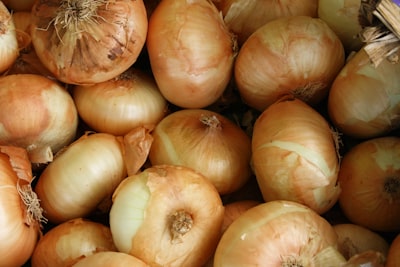
Quercetin is a flavonoid found in onions, apples, berries, and green tea. It’s one of the most abundant dietary antioxidants, with potent anti-inflammatory, antihistamine, and antiviral properties.
Mechanisms of Action
-
Zinc ionophore: Quercetin transports zinc across cell membranes, increasing intracellular zinc concentrations where it can directly inhibit viral replication (Dabbagh-Bazarbachi et al., 2014). This is arguably quercetin’s most important immune mechanism.
-
NF-κB inhibition: Quercetin potently inhibits the NF-κB signaling pathway, reducing production of pro-inflammatory cytokines (TNF-α, IL-1β, IL-6) (Li et al., 2016).
-
Mast cell stabilization: Quercetin prevents mast cell degranulation, reducing histamine release and allergic inflammation (Mlcek et al., 2016).
-
Antioxidant: Quercetin scavenges free radicals and upregulates endogenous antioxidant enzymes (superoxide dismutase, catalase, glutathione peroxidase) via the Nrf2 pathway (Boots et al., 2008).
-
Direct antiviral: Quercetin inhibits viral proteases and polymerases, showing activity against influenza, dengue, hepatitis C, and SARS-CoV-2 in vitro (Nguyen et al., 2021).
Clinical Evidence for Quercetin
-
Heinz et al. (2010): Quercetin (1,000mg/day) reduced upper respiratory tract infection severity and duration in physically stressed adults (Pharmacological Research 62(3):237-242).
-
Nieman et al. (2007): Quercetin (1,000mg/day) reduced URTI incidence in trained cyclists during the 3 weeks following a 3-day exhaustive exercise period (American Journal of Physiology 293(5):R1709-R1714).
-
Boots et al. (2011): Quercetin (1,000mg/day) reduced blood pressure and oxidized LDL in overweight subjects at high cardiovascular risk (Journal of Nutrition 141(10):1867-1873).
-
Serban et al. (2016): A meta-analysis of 7 RCTs found quercetin significantly reduced blood pressure (systolic -3.04 mmHg, diastolic -2.63 mmHg) at doses ≥500mg/day (Journal of the American Heart Association 5(7):e002713).
Optimal Quercetin Forms
| Form | Bioavailability | Notes |
|---|---|---|
| Quercetin Phytosome (Quercefit) | 20x higher | Bound to sunflower phospholipids |
| EMIQ (Enzymatically Modified Isoquercitrin) | 17x higher | Water-soluble, well-studied |
| Quercetin Dihydrate | Standard | Most common, affordable |
| Quercetin + Bromelain | Enhanced | Bromelain improves absorption |
Recommended dose: 500-1,000mg/day for immune support. Take with fat or a phospholipid complex for optimal absorption.
The Zinc Ionophore Connection
The most compelling reason to combine zinc and quercetin is the zinc ionophore effect.
The problem: Zinc’s antiviral mechanism works inside cells, but zinc ions don’t easily cross cell membranes on their own. Without adequate intracellular zinc, the direct antiviral effect is limited.
The solution: Zinc ionophores are compounds that transport zinc across the lipid bilayer into the cytoplasm. Quercetin is one of the most effective natural zinc ionophores.
Key research:
- Dabbagh-Bazarbachi et al. (2014): Demonstrated quercetin’s zinc ionophore activity, showing it significantly increased intracellular zinc concentrations (Journal of Agricultural and Food Chemistry 62(33):8281-8287).
- Read et al. (2019): Showed that the combination of zinc + a zinc ionophore (quercetin or EGCG) was significantly more effective at inhibiting SARS-CoV-2 replication in vitro than either alone (bioRxiv 2020.05.02.073437).
Other natural zinc ionophores:
- EGCG (green tea extract)
- Chloroquine (pharmaceutical)
- Hydroxychloroquine (pharmaceutical)
- Pyrithione (topical)
Practical implication: Taking 15-30mg zinc with 500mg quercetin creates a synergistic effect — quercetin shuttles zinc into cells where it can exert its direct antiviral activity.
Head-to-Head: Which Should You Choose?
Choose Zinc If:
- You want the strongest standalone immune supplement
- You’re fighting an active cold or infection
- You’re on a budget (zinc is very affordable)
- You want the most evidence-backed option
Choose Quercetin If:
- You have allergies or histamine issues
- You need anti-inflammatory support
- You’re already taking zinc and want to enhance its effectiveness
- You have cardiovascular risk factors (quercetin supports blood pressure)
Choose Both If:
- You want maximum immune support
- You’re in a high-stress period (travel, flu season, intense training)
- You want the zinc ionophore synergy
Dosing Protocol: Zinc + Quercetin Stack
Daily Immune Maintenance:
- Zinc picolinate: 15-30mg elemental zinc (with food)
- Quercetin phytosome: 500mg (with fat-containing meal)
During Active Illness (first 24-48 hours):
- Zinc acetate lozenges: 75mg/day in divided doses (dissolve in mouth every 2-3 hours)
- Quercetin: 1,000mg/day in divided doses
- Continue for 5-7 days
Important: Do not exceed 40mg/day of zinc long-term without medical supervision. High-dose zinc can deplete copper — consider adding 1-2mg copper if supplementing zinc above 30mg/day for extended periods.
Frequently Asked Questions
Q: Can I take zinc and quercetin together? A: Yes — they are synergistic. Quercetin acts as a zinc ionophore, enhancing zinc’s intracellular antiviral activity. This is one of the most evidence-based supplement combinations for immune support.
Q: What’s the best time to take zinc for immunity? A: Take zinc with food to reduce nausea. For cold lozenges, dissolve them slowly in the mouth every 2-3 hours during waking hours. Avoid taking zinc with calcium, iron, or high-phytate foods, which can reduce absorption.
Q: Does quercetin help with allergies? A: Yes. Quercetin stabilizes mast cells, reducing histamine release. Studies show it reduces allergic symptoms, particularly when combined with vitamin C (which regenerates oxidized quercetin). Dose: 500-1,000mg/day during allergy season.
Q: Is quercetin safe long-term? A: Yes. Clinical trials have used doses up to 1,000mg/day for 12 weeks with no significant adverse effects. Quercetin has GRAS (Generally Recognized as Safe) status. However, very high doses may interact with certain medications (blood thinners, cyclosporine, quinolone antibiotics).
Q: Which is better for COVID-19 prevention? A: The combination of zinc + quercetin has shown promise in vitro against SARS-CoV-2 (Read et al., 2019). However, no supplement can prevent COVID-19. Zinc and quercetin may support general immune function but should not replace vaccination or medical treatment.
Q: Can I get enough quercetin from food? A: Dietary intake averages 5-40mg/day. Therapeutic doses (500-1,000mg) require supplementation. Even quercetin-rich diets (high in onions, apples, berries) rarely exceed 100mg/day.
The Bottom Line
Zinc and quercetin are both powerful immune supplements, but they work through different — and complementary — mechanisms:
-
Zinc is the stronger standalone choice. It directly supports immune cell function, inhibits viral replication, and has the most robust clinical evidence for reducing cold duration (33-40% reduction).
-
Quercetin excels as an anti-inflammatory, antihistamine, and — critically — as a zinc ionophore that enhances zinc’s intracellular antiviral activity.
-
Together, they’re greater than the sum of their parts. The zinc-quercetin combination is one of the most evidence-based supplement stacks for immune support.
Our recommendation: Take 15-30mg zinc picolinate + 500mg quercetin phytosome daily during cold/flu season or periods of high stress. At the first sign of illness, increase to zinc acetate lozenges (75mg/day) + quercetin (1,000mg/day) for 5-7 days.
Sources: Singh & Das (2013) Cochrane Database Syst Rev CD001364; Hemilä (2011) Open Respir Med J 5:51-58; Dabbagh-Bazarbachi et al. (2014) J Agric Food Chem 62(33):8281-8287; Read et al. (2019) bioRxiv 2020.05.02.073437; Heinz et al. (2010) Pharmacol Res 62(3):237-242; Prasad (2008) Am J Clin Nutr 87(3):634-641; Li et al. (2016) Nutrients 8(3):167
Related Articles
Explore more in our Zinc guide.
- Best Supplements for Immune System: The Complete Mineral & Vitamin Stack — Evidence-based immune supplements — vitamin C, D3, zinc, selenium, and elderberry. What works, what doesn’t, and the …
- Zinc for Immunity: The Complete Guide to Staying Healthy — How zinc supports your immune system, the best forms for immune defense, optimal dosages for cold/flu season, and how…
- Best Supplements for Sperm Quality 2026: Male Fertility Guide — We compared the best supplements for sperm quality — CoQ10, zinc, L-carnitine, and more. Evidence-based rankings for …