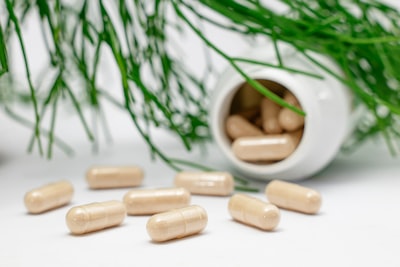
Spermidine Benefits, Food Sources & Complete Supplementation Guide (2026)
Medically reviewed by Dr. Sarah Mitchell, MD — Internal Medicine
In 2016, a team at the University of Graz published a study that sent shockwaves through the longevity research community. Analyzing data from over 800 participants in the Bruneck Study, they found that individuals with higher dietary spermidine intake had significantly reduced all-cause mortality — a 5.7-year increase in median survival — comparable to the effects of caloric restriction (Kiechl et al., 2018, American Journal of Clinical Nutrition).
Spermidine, a naturally occurring polyamine found in wheat germ, aged cheese, mushrooms, and legumes, has emerged as one of the most compelling candidates for extending human healthspan.
See also: Best Longevity Supplements 2026: NMN, Resveratrol, CoQ10 & More | Best Supplements by Age: A Decade-by-Decade Guide (2026)
What Is Spermidine?
Spermidine is a polyamine — an organic compound with multiple amino groups — present in virtually all living cells. In mammals, spermidine is obtained through dietary intake, endogenous synthesis from the amino acid ornithine, and gut microbiome production.
Spermidine levels decline with age in virtually all organisms studied, from yeast to humans. This age-related decline is associated with diminishing autophagy, increased inflammation, and reduced tissue homeostasis.
The Autophagy Connection
How Autophagy Works
Autophagy (from Greek: “self-eating”) is the cellular recycling program. Damaged organelles, misfolded proteins, and intracellular pathogens are engulfed by autophagosomes, which fuse with lysosomes for degradation and recycling.
Spermidine as an Autophagy Inducer
Spermidine is one of the most potent known inducers of autophagy:
- Inhibition of EP300 acetyltransferase: Promotes autophagosome formation (Pietrocola et al., 2015, Molecular Cell)
- Induction of autophagy gene expression: Upregulates Atg5, Atg7, and MAP1LC3 (LC3)
- Hypusination of eIF5A: Required for translation of TFEB, a master regulator of lysosomal biogenesis
Eisenberg et al. (2009) demonstrated in Nature Cell Biology that spermidine extended lifespan in yeast, flies, and human immune cells through autophagy-dependent mechanisms.
Cardiovascular Evidence
The Bruneck Study
Kiechl et al. (2018) followed 829 participants for 20 years and found that participants in the highest tertile of dietary spermidine intake (>13.5 mg/day) had:
- 40% lower risk of heart failure
- 30% lower cardiovascular mortality
- 5.7-year increase in median survival
Mechanistic Cardiovascular Benefits
- Cardiac autophagy and mitophagy: Clearance of damaged mitochondria in cardiomyocytes
- Anti-inflammatory effects: Reduced NLRP3 inflammasome activation
- Improved endothelial function: Enhanced NO bioavailability
- Anti-hypertrophic effects: Eisenberg et al. (2016) in Nature Medicine showed spermidine reversed cardiac aging in mice
Brain Health and Neuroprotection
- Alzheimer’s disease: Spermidine reduced amyloid-beta plaque burden and improved cognition in mouse models (Wang et al., 2022, Cell Reports)
- Parkinson’s disease: Spermidine prevented dopaminergic neuron loss in Drosophila models
- Age-related cognitive decline: Higher spermidine intake was associated with better preserved cognitive function in the Bruneck cohort
- Memory rescue: Gupta et al. (2013) in Nature Neuroscience showed spermidine rescued age-related memory decline in Drosophila
Food Sources of Spermidine
| Food | Spermidine Content (mg per 100g) |
|---|---|
| Wheat germ | 243 |
| Soybeans (dried) | 207 |
| Aged cheese (Gouda, Parmesan) | 19–40 |
| Rice bran | 50 |
| Mushrooms (shiitake, button) | 8–30 |
| Green peas | 25 |
| Mango | 10 |
| Legumes (lentils, chickpeas) | 10–20 |
Supplementation Guide
| Approach | Daily Spermidine | Notes |
|---|---|---|
| Dietary optimization | 8–15 mg | Through spermidine-rich foods |
| Wheat germ extract supplement | 1–2 mg | Standardized supplements |
| Pure spermidine supplement | 1–6 mg | Emerging products |
Most clinical evidence is based on dietary intake of 8–15 mg/day. Supplements typically provide 1–6 mg/day.
Safety and Side Effects
Spermidine has an excellent safety profile:
- GRAS status: Generally Recognized As Safe by the FDA
- No serious adverse events reported in human supplementation studies
- Doses up to 3.6 mg/kg/day in rats showed no toxicity over 28 days
Comparison Table: Spermidine Supplements (2026)
| Product Type | Spermidine per Serving | Source | Price/Month |
|---|---|---|---|
| Wheat germ extract | 1.2 mg | Wheat germ | $15–25 |
| Pure spermidine HCl | 1–5 mg | Synthetic | $20–40 |
| Polyamine complex | 1–3 mg | Wheat germ | $25–35 |
| Longevity blend | 0.5–1 mg | Mixed | $30–50 |
Frequently Asked Questions
Can I get enough spermidine from food alone?
Yes, a diet rich in wheat germ, aged cheese, mushrooms, legumes, and soy products can provide 10–15 mg/day. However, many Western diets are relatively low in these foods.
Is spermidine the same as spermine?
No. Both are polyamines, but they are distinct molecules. Spermidine is a precursor to spermine.
How long does it take for spermidine to work?
In Drosophila, cognitive improvements were observed within days. In humans, cardiovascular benefits in epidemiological studies reflect years of consistent intake. Allow at least 8–12 weeks to assess effects on biomarkers.
Is spermidine safe during pregnancy?
Dietary spermidine from food is considered safe during pregnancy. Concentrated supplements haven’t been specifically studied in pregnant women.
Can spermidine reverse aging?
Spermidine can restore age-related declines in autophagy and improve certain aging biomarkers in animal models. Whether it “reverses” aging in humans is an overstatement, but the evidence for healthspan extension is among the strongest of any nutritional compound.
Bottom Line
Spermidine stands out in the longevity supplement landscape because of the convergence of epidemiological, mechanistic, and preclinical evidence.
Our recommendations:
- Prioritize food sources: Wheat germ, aged cheese, mushrooms, and legumes
- Consider supplementation if your diet is low in spermidine-rich foods (1–2 mg/day from wheat germ extract)
- Combine with other autophagy inducers like exercise, intermittent fasting, and adequate sleep
- Be consistent: Benefits reflect long-term, habitual intake
Sources: Kiechl et al. (2018) American Journal of Clinical Nutrition; Eisenberg et al. (2009) Nature Cell Biology; Eisenberg et al. (2016) Nature Medicine; Pietrocola et al. (2015) Molecular Cell; Gupta et al. (2013) Nature Neuroscience; Wang et al. (2022) Cell Reports
Related Articles
Explore more in our Longevity guide.
- Best Longevity Supplements 2026: NMN, Resveratrol, CoQ10 & More — Evidence-based guide to longevity supplements — NMN, NAD+ precursors, resveratrol, CoQ10, spermidine, and the compoun…
- Best Supplements by Age: A Decade-by-Decade Guide (2026) — What supplements should you take at 20, 30, 40, 50, 60+? Evidence-based recommendations for every decade of life.
- Best Supplements for Anti-Aging 2026: The Evidence-Based Guide to Looking & Feeling Younger — Top anti-aging supplements for 2026 — collagen, astaxanthin, CoQ10, vitamin C, hyaluronic acid, and NAD+ precursors. …