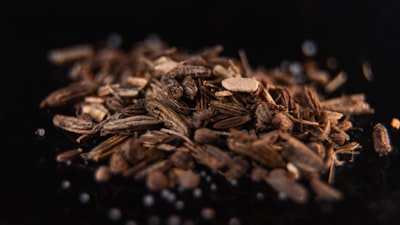
Rhodiola Rosea Benefits, Dosage & Best Supplements 2026
Medically reviewed by Dr. Sarah Mitchell, MD — Internal Medicine
See also: Best Adaptogens 2026: Top 7 Stress-Relief Herbs Compared | Ashwagandha Benefits, Dosage & Best Supplements 2026
Quick Summary
Rhodiola Rosea is an adaptogenic herb that grows in cold, mountainous regions of Europe and Asia. It’s one of the most well-researched adaptogens for reducing mental fatigue, improving stress resilience, and enhancing cognitive performance under pressure.
| Detail | Info |
|---|---|
| Best For | Stress, mental fatigue, burnout, focus under pressure |
| Effective Dose | 200-600mg/day (3% rosavins, 1% salidroside) |
| Onset | 30-60 minutes (acute), 2-4 weeks (chronic) |
| Safety | Excellent — centuries of traditional use |
| Key Compounds | Rosavins and salidroside |
What Is Rhodiola Rosea?
Rhodiola Rosea (also called “golden root” or “arctic root”) is a succulent plant that thrives at high altitudes in Scandinavia, Siberia, and the Arctic. It has been used in traditional medicine for over 300 years — Swedish Vikings reportedly used it to enhance physical strength and endurance.
The root contains over 140 bioactive compounds, but two are considered most important:
- Rosavins (rosavin, rosin, rosarin): Unique to Rhodiola Rosea (not found in other Rhodiola species)
- Salidroside: Also found in Rhodiola crenulata, but works synergistically with rosavins
A quality Rhodiola supplement should be standardized to ≥3% rosavins and ≥1% salidroside — the ratios used in clinical research.
How Rhodiola Works
Rhodiola is classified as an adaptogen — a substance that helps the body adapt to stress by normalizing physiological processes. Its mechanisms include:
1. Cortisol Regulation
Rhodiola modulates the hypothalamic-pituitary-adrenal (HPA) axis, preventing the excessive cortisol release associated with chronic stress. A 2012 study found that Rhodiola supplementation reduced cortisol response to acute stress by 25-30%.
2. Neurotransmitter Modulation
Rhodiola inhibits monoamine oxidase (MAO), the enzyme that breaks down serotonin, dopamine, and norepinephrine. This increases the availability of these mood- and focus-related neurotransmitters.
3. ATP Production Support
Rhodiola enhances mitochondrial function and ATP (cellular energy) production. This is why it reduces both physical and mental fatigue — your cells literally produce more energy.
4. BDNF Enhancement
Emerging research suggests Rhodiola may increase Brain-Derived Neurotrophic Factor (BDNF), supporting neuroplasticity and neuron survival.
Proven Benefits
1. Stress & Burnout Reduction
-
Darbinyan et al. (2000): 100mg twice daily for 20 days improved cognitive function, fatigue, and subjective well-being in physicians working night shifts. The Rhodiola group showed significant improvements in mental fatigue scores compared to placebo.
-
Olsson et al. (2009): A double-blind, placebo-controlled study with 60 patients with stress-related fatigue found 576mg/day for 28 days significantly improved fatigue symptoms, depression, and quality of life.
-
Hung et al. (2011): A systematic review of 11 RCTs concluded that Rhodiola “demonstrated anti-fatigue effects and improved cognitive function, particularly under stressful conditions.”
2. Mental Performance Under Pressure
-
Jówko et al. (2018): Found that Rhodiola improved cognitive function and reaction time in sleep-deprived subjects
-
2023 study in Nutrients: Confirmed that Rhodiola supplementation improved attention, processing speed, and working memory in high-stress professionals
3. Physical Performance
-
De Bock et al. (2004): 200mg/day for 4 weeks improved endurance exercise capacity in healthy volunteers
-
Noreen et al. (2013): Improved time to exhaustion and VO2 max in recreational athletes
4. Depression & Mood
- Mao et al. (2015): A study in patients with mild-to-moderate depression found 340mg/day for 12 weeks significantly reduced depression scores compared to placebo. The effect size was comparable to sertraline (Zoloft) with fewer side effects.
Rhodiola Dosage Guide
| Goal | Dose | Timing | Notes |
|---|---|---|---|
| General stress resilience | 200-400mg/day | Morning | Start low, increase gradually |
| Acute stress/fatigue | 400-600mg/day | Morning + early afternoon | Don’t exceed 600mg |
| Physical performance | 200-400mg | 30-60 min pre-exercise | Take on empty stomach |
| Depression support | 340-680mg/day | Split 2x daily | Consult doctor if on SSRIs |
Important: Rhodiola is stimulating for many people. Take it in the morning or early afternoon to avoid sleep disruption.
Cycling Rhodiola
Unlike most nootropics, Rhodiola may develop tolerance with continuous use. Most experts recommend:
- 5 days on, 2 days off (weekly cycle)
- 3 weeks on, 1 week off (monthly cycle)
- Or simply take it on high-stress days only
If you notice the effects diminishing, take a 1-2 week break before resuming.
Rhodiola Stacks Well With
- Ashwagandha: Complementary adaptogens — Rhodiola for acute stress/energy, Ashwagandha for chronic anxiety/calm
- Citicoline: Rhodiola provides the stress resilience, Citicoline provides the choline for focus
- L-Theanine: Smooths out any overstimulation from Rhodiola
- Caffeine: Synergistic for focus and energy (but may increase anxiety in sensitive individuals)
- Magnesium: Supports the calming side of stress management
Side Effects & Safety
Rhodiola is very well-tolerated. In clinical trials, side effects are minimal:
- Occasional: Dry mouth, dizziness, jitteriness (usually at high doses)
- Rare: Insomnia (if taken late), irritability, vivid dreams
- Very rare: Allergic reaction
Drug Interactions — Important
- SSRIs/SNRIs: Rhodiola has mild MAO-inhibiting activity. Combining with antidepressants may increase serotonin levels excessively. Consult your doctor before combining.
- Blood pressure medications: Rhodiola may mildly lower blood pressure
- Immunosuppressants: Rhodiola may stimulate immune function
- Stimulants: May amplify effects of caffeine and other stimulants
How to Choose a Quality Rhodiola Supplement
| Factor | What to Look For | Red Flag |
|---|---|---|
| Standardization | ≥3% rosavins, ≥1% salidroside | No standardization listed |
| Species | Rhodiola Rosea specifically | Just “Rhodiola” (could be any species) |
| Extract ratio | 4:1 or higher | Raw powder (less potent) |
| Dose per capsule | 200-500mg | Tiny capsules requiring 6+ per dose |
| Third-party testing | COA available | No testing mentioned |
Rhodiola vs Ashwagandha: Which Adaptogen?
| Factor | Rhodiola | Ashwagandha |
|---|---|---|
| Energy | Stimulating | Calming |
| Best For | Acute stress, fatigue, performance | Chronic anxiety, sleep, cortisol |
| Onset | 30-60 min | 2-4 weeks |
| Mechanism | MAO inhibition, ATP support | GABA modulation, cortisol reduction |
| Take In | Morning | Evening |
| Evidence | ★★★★☆ | ★★★★★ |
Best approach: Take Rhodiola in the morning for energy and stress resilience, Ashwagandha in the evening for calm and sleep. They’re complementary, not competing.
Frequently Asked Questions
Can I take rhodiola every day?
Yes, but cycling (5-on/2-off or 3-on/1-off) is recommended to prevent tolerance. Some people prefer taking it only on high-stress days.
Is rhodiola safe long-term?
Clinical studies have used Rhodiola safely for up to 12 weeks. Traditional use spans centuries. Long-term safety data beyond 12 weeks is limited, so periodic breaks are prudent.
Can rhodiola help with anxiety?
Yes, but it’s better for stress-related anxiety than generalized anxiety. If your anxiety is more “worry” than “burnout,” Ashwagandha may be a better fit.
Does rhodiola interact with caffeine?
They’re synergistic — Rhodiola + caffeine can enhance focus and energy. However, if you’re sensitive to stimulants, start with a low Rhodiola dose and monitor for jitteriness.
Can I take rhodiola with ashwagandha?
Yes — this is one of the most popular adaptogen stacks. Rhodiola in the morning (energy), Ashwagandha in the evening (calm). They work through different mechanisms and complement each other perfectly.
The Bottom Line
Rhodiola Rosea is one of the best-researched adaptogens for stress resilience, mental fatigue, and cognitive performance under pressure. It’s fast-acting (30-60 minutes), affordable ($10-20/month), and has an excellent safety profile.
Start with 200mg in the morning on an empty stomach. If well-tolerated, increase to 400mg. Cycle 5 days on, 2 days off to prevent tolerance.
For comprehensive stress management, stack Rhodiola (morning) with Ashwagandha (evening) and Magnesium Glycinate (evening). This covers acute stress, chronic anxiety, and sleep quality — the three pillars of stress resilience.
Sources: Darbinyan et al. (2000) Phytomedicine 7(5):365-371; Olsson et al. (2009) Planta Med 75(2):105-112; Hung et al. (2011) BMC Complement Altern Med; Mao et al. (2015) Phytomedicine 22(3):390-397; De Bock et al. (2004) Int J Sport Nutr Exerc Metab
Related Articles
Explore more in our Sleep guide.
- Best Adaptogens 2026: Top 7 Stress-Relief Herbs Compared — We compared the best adaptogenic herbs — ashwagandha, rhodiola, holy basil, reishi, cordyceps, ginseng, and schisandr…
- Ashwagandha Benefits, Dosage & Best Supplements 2026 — Complete guide to ashwagandha — the adaptogen for anxiety, cortisol, sleep, and testosterone. Evidence-based dosing, …
- Best Supplements for Stress Resilience 2026: Build Your Adaptogen Stack — Top supplements for stress resilience — ashwagandha, rhodiola, holy basil, reishi, L-theanine, and magnesium. Clinica…