Potassium Deficiency (Hypokalemia): 16 Symptoms & Causes
Medically reviewed by Dr. Sarah Mitchell, MD — Internal Medicine
See also: Best Potassium Supplements 2026 | Magnesium Deficiency Symptoms | Best Supplements for Heart Health 2026
How Common Is Potassium Deficiency?
Only about 2% of US adults meet the adequate intake (AI) for potassium (2600-3400mg/day).¹ Most Americans consume only about half the recommended amount.²
High-risk groups:
- People on diuretics (potassium-wasting)
- Heavy sweaters (athletes, hot climates)
- People with eating disorders
- Those with kidney disease
- People on laxatives
- Those with chronic diarrhea or vomiting
The 16 Potassium Deficiency Symptoms
Muscular
1. Muscle cramps and spasms Potassium regulates muscle cell excitability. Deficiency causes hyperexcitability → cramps.³
2. Muscle weakness Low potassium impairs muscle contraction. Can progress to paralysis in severe cases.⁴
3. Muscle aches and stiffness Chronic low potassium causes persistent muscle discomfort.⁵
Cardiac
4. Heart palpitations Potassium is critical for cardiac electrical activity. Deficiency causes arrhythmias.⁶
5. Irregular heartbeat (arrhythmia) Can range from benign PVCs to dangerous ventricular arrhythmias.⁷
6. Low blood pressure Potassium regulates vascular tone. Deficiency can cause hypotension.⁸
Neurological
7. Fatigue and weakness The most common symptom. Potassium is required for nerve signal transmission.⁹
8. Brain fog Low potassium impairs neurotransmission and cognitive function.¹⁰
9. Tingling and numbness Peripheral nerve hyperexcitability from low potassium.¹¹
Digestive
10. Constipation Potassium regulates smooth muscle contraction in the GI tract. Deficiency slows transit.¹²
11. Bloating and abdominal pain Related to slowed GI motility.¹³
Other
12. Excessive thirst Potassium regulates fluid balance. Deficiency increases thirst.¹⁴
13. Frequent urination Related to impaired kidney concentrating ability.¹⁴
14. Difficulty breathing Severe deficiency impairs respiratory muscle function.¹⁵
15. Mood changes (depression, irritability) Potassium affects neurotransmitter function.¹⁶
16. Severe deficiency: rhabdomyolysis Muscle breakdown releasing myoglobin → kidney damage. Medical emergency.¹⁷
How to Test for Potassium Deficiency
Serum potassium: Normal range 3.5-5.0 mEq/L. Below 3.5 = hypokalemia.¹⁸
Better indicators:
- 24-hour urine potassium — assesses potassium wasting
- ECG — shows characteristic changes in hypokalemia (U waves, flattened T waves)
- Magnesium level — low magnesium impairs potassium correction
How to Fix Potassium Deficiency
Step 1: Diet (preferred)
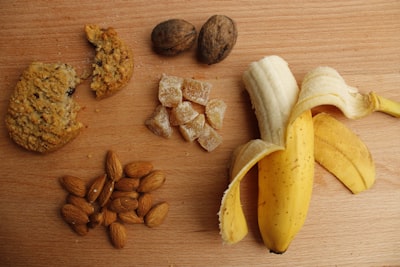
- Bananas: 422mg per medium banana
- Sweet potatoes: 542mg per medium potato
- Spinach: 839mg per cup cooked
- Avocado: 728mg per avocado
- White beans: 1004mg per cup
- Coconut water: 600mg per cup
Step 2: Supplement (if needed)
- Potassium citrate or gluconate
- Dose: 99mg per supplement (OTC limit in US)
- Higher doses require medical supervision
- Take with food to reduce GI irritation
Step 3: Co-factors
- Magnesium: required for potassium retention by kidneys. Correct Mg first.¹⁹
- Sodium: very low sodium can worsen potassium loss
Who Should NOT Supplement Potassium
- People with kidney disease (impaired potassium excretion → hyperkalemia risk)
- Those on ACE inhibitors or ARBs (these medications increase potassium)
- People on potassium-sparing diuretics (spironolactone, amiloride)
- Those with Addison’s disease
FAQ
How long to fix potassium deficiency? Serum levels normalize in days with supplementation. Full tissue repletion takes 1-2 weeks.
Can you take too much potassium? Yes — hyperkalemia (>5.5 mEq/L) can cause dangerous heart arrhythmias. Don’t exceed 99mg supplements without medical supervision.
What’s the best potassium form? Potassium citrate — also helps prevent kidney stones. Potassium gluconate is also well absorbed.
Does potassium help with blood pressure? Yes — the DASH diet (high in potassium) reduces blood pressure by 8-14 mmHg.²⁰
Sources
- NIH Potassium Fact Sheet
- USDA Potassium Intake Data
- Potassium and Muscle Cramps, NIH
- Hypokalemia and Weakness, NIH
- Potassium and Muscle Pain, NIH
- Potassium and Heart Rhythm, NIH
- Hypokalemia Arrhythmias, Circulation
- Potassium and Blood Pressure, NIH
- Potassium and Fatigue, NIH
- Potassium and Cognition, NIH
- Potassium and Nerves, NIH
- Potassium and Constipation, NIH
- Potassium and GI Motility, NIH
- Potassium and Fluid Balance, NIH
- Severe Hypokalemia, NIH
- Potassium and Mood, NIH
- Hypokalemia and Rhabdomyolysis, JAMA
- Serum Potassium, NIH
- Magnesium and Potassium, NIH
- DASH Diet and Blood Pressure, NIH