Lion's Mane Mushroom Benefits, Dosage & Best Supplements 2026
Medically reviewed by Dr. Sarah Mitchell, MD — Internal Medicine
See also: Lion’s Mane vs Reishi: Which Mushroom Is Better for Brain Health? | Bacopa vs Lion’s Mane: Which Is Better for Brain Health?
Quick Summary
Lion’s Mane (Hericium erinaceus) is a medicinal mushroom that stimulates Nerve Growth Factor (NGF) production, potentially supporting neurogenesis, memory, mood, and nerve repair. It’s one of the most promising natural nootropics with a growing body of human clinical evidence.
| Detail | Info |
|---|---|
| Best For | Memory, focus, nerve health, anxiety |
| Effective Dose | 500-1,000mg/day (fruiting body extract) |
| Onset | 4-8 weeks for cognitive benefits |
| Safety | Excellent — centuries of traditional use |
| Form | Capsules, powder, tincture, coffee blends |
What Is Lion’s Mane?
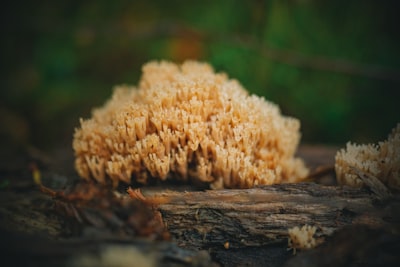
Lion’s Mane is a large, white, shaggy mushroom that resembles a cascading waterfall of icicles. It’s found on hardwood trees in North America, Europe, and Asia. Unlike most mushrooms, its primary bioactive compounds — hericenones (found in the fruiting body) and erinacines (found in the mycelium) — can stimulate the synthesis of Nerve Growth Factor (NGF).
NGF is a protein essential for the growth, maintenance, and survival of neurons. As we age, NGF production declines, contributing to cognitive impairment and neurodegenerative diseases. Lion’s Mane is one of very few natural compounds that may cross the blood-brain barrier and directly support NGF synthesis.
Proven Benefits of Lion’s Mane
1. Cognitive Function & Memory
The most compelling evidence for Lion’s Mane centers on cognitive enhancement:
-
Mori et al. (2009): A double-blind, placebo-controlled trial with 30 Japanese adults (aged 50-80) with mild cognitive impairment found that 16 weeks of Lion’s Mane extract (250mg tablets, 3x daily) significantly improved cognitive function scores compared to placebo. Scores declined after supplementation stopped, suggesting the effect is dependent on continued use.
-
A 2023 randomized controlled trial published in Nutrients found that healthy adults taking 1,000mg/day of Lion’s Mane fruiting body extract for 8 weeks showed significant improvements in processing speed and executive function compared to placebo.
2. Anxiety & Depression
-
Nagano et al. (2010): A study in 30 menopausal women found that 4 weeks of Lion’s Mane supplementation significantly reduced irritability, anxiety, and depression compared to placebo. The mechanism may involve both NGF-mediated neurogenesis in the hippocampus and anti-inflammatory effects.
-
Chong et al. (2020): A systematic review concluded that Lion’s Mane shows “promising anxiolytic and antidepressant effects” in human studies, though larger trials are needed.
3. Nerve Regeneration & Neuropathy
-
Wong et al. (2012): Animal studies demonstrated that Lion’s Mane extract accelerated peripheral nerve regeneration after injury. While human data is limited, the mechanism (NGF stimulation) is well-established.
-
A 2021 pilot study found improvements in nerve conduction velocity in diabetic neuropathy patients taking Lion’s Mane for 12 weeks.
4. Immune Support
Lion’s Mane contains beta-glucans that modulate the immune system. A 2017 study in Journal of Agricultural and Food Chemistry found that Lion’s Mane extract enhanced gut immune function by promoting beneficial gut bacteria growth.
5. Gut Health
Emerging research suggests Lion’s Mane acts as a prebiotic, supporting the growth of beneficial gut bacteria (Bifidobacterium, Lactobacillus). Given the gut-brain axis connection, this may partially explain its cognitive and mood benefits.
How to Choose a Quality Lion’s Mane Supplement
This is critical — the market is flooded with low-quality products. Here’s what to look for:
✅ Must-Haves
| Factor | What to Look For | Red Flag |
|---|---|---|
| Source | Fruiting body extract | ”Mycelium on grain” or “full spectrum” |
| Standardization | ≥30% beta-glucans OR ≥0.5% hericenones | No standardization listed |
| Dose transparency | Exact mg per serving | Proprietary blend |
| Third-party testing | COA available | No testing mentioned |
| Fillers | Minimal (rice flour OK) | Maltodextrin, starch as main ingredients |
❌ Avoid
- Mycelium grown on grain/oats: The final product is mostly starch substrate, not mushroom. Independent testing has found some “mycelium” products contain <5% actual mushroom compounds.
- Coffee blends with “lion’s mane”: Usually contain negligible amounts (50-100mg) — far below the 500-1,000mg used in studies.
- Products that don’t specify fruiting body vs. mycelium: Assume it’s low-quality mycelium.
Lion’s Mane Dosage Guide
| Goal | Dose | Timing | Duration |
|---|---|---|---|
| General cognitive support | 500mg/day | Morning with food | Ongoing |
| Mild cognitive impairment | 1,000-3,000mg/day | Split 2-3x with meals | 16+ weeks |
| Anxiety/depression support | 500-1,000mg/day | Morning | 8+ weeks |
| Nerve support | 1,000mg/day | Split 2x with meals | 12+ weeks |
Tip: Take with food containing some fat for better absorption of the triterpenes.
Lion’s Mane Stacks Well With
- Citicoline (CDP-Choline): Lion’s Mane provides the growth signal (NGF), Citicoline provides the raw materials (choline) for acetylcholine synthesis
- Omega-3 (DHA): Supports membrane fluidity and works synergistically with NGF
- Bacopa Monnieri: Complementary memory mechanisms (dendritic branching + neurogenesis)
- Niacin (B3): May enhance NGF signaling (theoretical, based on niacin’s role in NAD+ metabolism)
Side Effects & Safety
Lion’s Mane is exceptionally safe. In clinical trials lasting up to 16 weeks, adverse effects were minimal and comparable to placebo:
- Rare: Mild GI discomfort (bloating, nausea) — usually resolves within a few days
- Very rare: Skin rash or itching (possible allergic reaction in mushroom-sensitive individuals)
- Caution: Those on blood thinners should consult a doctor (theoretical antiplatelet effect)
- Caution: Diabetic patients should monitor blood sugar (may have mild glucose-lowering effect)
No known drug interactions at standard doses, but always consult your healthcare provider if taking prescription medications.
Frequently Asked Questions
Is lion’s mane psychedelic?
No. Lion’s Mane is a non-psychoactive medicinal mushroom. It does not contain psilocybin or any hallucinogenic compounds. It works through NGF stimulation, not serotonin receptor activation.
Can I eat lion’s mane instead of supplementing?
Yes — it’s a delicious edible mushroom when cooked. However, you’d need to eat 50-100g daily to approach supplement-level doses, and cooking may degrade some heat-sensitive compounds. Supplements provide a more reliable dose.
How long before I notice effects?
Most people report subtle mood improvements within 2-4 weeks. Cognitive benefits typically emerge at 4-8 weeks. Nerve-related benefits may take 12+ weeks. Consistency is key.
Is lion’s mane safe during pregnancy?
There’s insufficient safety data for pregnancy and breastfeeding. As a precaution, avoid supplementation during these periods.
Can I take lion’s mane every day?
Yes. Clinical studies have used daily dosing for up to 16 weeks without adverse effects. There’s no evidence of tolerance or dependency.
The Bottom Line
Lion’s Mane is one of the most promising natural nootropics available, with genuine clinical evidence for cognitive enhancement, mood support, and nerve health. The key is choosing a high-quality fruiting body extract — not the mycelium-on-grain products that dominate the market.
Start with 500mg/day of a standardized fruiting body extract. Give it at least 8 weeks before evaluating results. Stack with Citicoline and Omega-3 for maximum cognitive benefit.
Sources: Mori et al. (2009) Phytotherapy Research 23(3):367-372; Nagano et al. (2010) Biomed Res 31(4):231-237; Chong et al. (2020) J Evid Based Complementary Altern Med; Wong et al. (2012) Evid Based Complement Alternat Med
Related Articles
Explore more in our Nootropics guide.
- Lion’s Mane vs Reishi: Which Mushroom Is Better for Brain Health? — Compare lion’s mane and reishi mushrooms — different mechanisms, different benefits, and why you might want both. Evi…
- Bacopa vs Lion’s Mane: Which Is Better for Brain Health? — Head-to-head comparison of bacopa monnieri and lion’s mane mushroom — mechanisms, evidence, dosage, side effects, and…
- Best Supplements for Nootropics Beginners 2026: Start Here — The best nootropic stack for beginners — lion’s mane, citicoline, L-theanine, omega-3, and magnesium. Safe, effective…