L-Theanine Benefits, Dosage & Best Supplements 2026
Medically reviewed by Dr. Sarah Mitchell, MD — Internal Medicine
See also: Ashwagandha Benefits, Dosage & Best Supplements 2026 | Best Adaptogens 2026: Top 7 Stress-Relief Herbs Compared
Quick Summary
L-Theanine is an amino acid found naturally in green tea. It promotes relaxation without sedation — a state often described as “calm focus.” It’s one of the safest and most versatile supplements available.
| Detail | Info |
|---|---|
| Best For | Calm focus, anxiety reduction, sleep quality |
| Effective Dose | 100-400mg/day |
| Onset | 30-60 minutes |
| Safety | Exceptional — no known toxicity |
| Source | Green tea, supplemental (Suntheanine®) |
What Is L-Theanine?
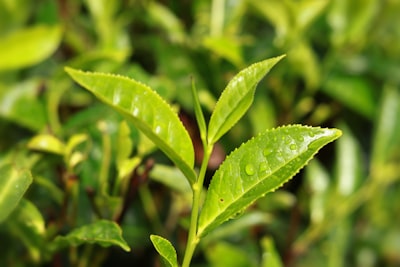
L-Theanine is a non-protein amino acid found almost exclusively in tea plants (Camellia sinensis). It was discovered in 1949 as a constituent of green tea and approved as a food additive in Japan in 1964.
Green tea contains 20-30mg of L-theanine per cup. Supplemental doses (100-400mg) provide 3-10x what you’d get from drinking tea, which is why supplementation is popular.
The most studied form is Suntheanine® — a patented, pure L-theanine produced via enzymatic synthesis. Most clinical research uses this form.
How L-Theanine Works
1. Alpha Brain Wave Enhancement
L-Theanine increases alpha brain wave activity (8-13 Hz). Alpha waves are associated with:
- Relaxed alertness
- Creative thinking
- Reduced anxiety
- “Flow state” mental performance
This is the opposite of beta waves (active thinking, anxiety) and theta waves (drowsiness). Alpha waves represent the sweet spot between alert and relaxed.
Evidence: Nobre et al. (2008) demonstrated that 200mg L-theanine significantly increased alpha brain wave activity within 40 minutes, as measured by EEG.
2. Neurotransmitter Modulation
L-Theanine increases levels of:
- GABA (primary inhibitory neurotransmitter — promotes calm)
- Serotonin (mood regulation)
- Dopamine (motivation, reward)
- Glycine (inhibitory neurotransmitter in the spinal cord)
It also reduces levels of glutamate (excitatory neurotransmitter), preventing overstimulation.
3. Stress Response Reduction
L-Theanine blunts the sympathetic nervous system’s response to stress. It reduces heart rate and blood pressure responses to acute stressors without causing sedation.
Proven Benefits
1. Anxiety Reduction
- Hidese et al. (2019): A systematic review of 10 studies found L-theanine significantly reduced stress and anxiety in both healthy adults and anxiety-prone populations.
- Sarris et al. (2019): 200-400mg/day L-theanine improved sleep quality and reduced anxiety in patients with generalized anxiety disorder.
- Lopes Sakamoto et al. (2019): A meta-analysis confirmed L-theanine’s anxiolytic effects, with 200-400mg being the optimal dose range.
2. Focus & Attention (Especially with Caffeine)
- Owen et al. (2008): L-theanine (100mg) + caffeine (50mg) improved accuracy during task switching and reduced susceptibility to distracting information.
- Camfield et al. (2014): The L-theanine + caffeine combination improved attention and cognitive performance more than either compound alone.
- Kahathuduwa et al. (2017): 200mg L-theanine + 160mg caffeine improved sustained attention and reduced mind-wandering.
The caffeine + L-theanine stack is one of the most popular nootropic combinations. Caffeine provides alertness; L-theanine smooths out the jitters and anxiety. The result is clean, focused energy.
3. Sleep Quality
- Rao et al. (2015): 200mg L-theanine before bed improved sleep quality in boys with ADHD.
- Hidese et al. (2019): L-theanine improved sleep quality in anxiety-prone individuals, primarily by reducing sleep latency (time to fall asleep).
- Sarris et al. (2019): Improved PSQI sleep quality scores in GAD patients.
Note: L-Theanine doesn’t directly induce sleep like melatonin. Instead, it reduces the anxiety and racing thoughts that prevent sleep. This makes it ideal for people whose insomnia is caused by an overactive mind.
4. Blood Pressure
- Yoto et al. (2012): L-theanine reduced stress-related blood pressure increases in healthy adults.
- Hidese et al. (2019): Confirmed L-theanine’s blood pressure-lowering effects in hypertensive individuals.
L-Theanine Dosage Guide
| Goal | Dose | Timing | Notes |
|---|---|---|---|
| General calm focus | 100-200mg | Morning or as needed | Can be taken anytime |
| Anxiety relief | 200-400mg | Morning + afternoon | Split dose for sustained effect |
| Sleep support | 200-400mg | 30-60 min before bed | Combine with magnesium |
| With caffeine | 100-200mg | With coffee/tea | 2:1 theanine:caffeine ratio |
| Acute stress | 200-400mg | As needed | Effects within 30-60 min |
The Caffeine + L-Theanine Stack
This is the most evidence-based nootropic combination in existence:
| Caffeine | L-Theanine | Ratio | Effect |
|---|---|---|---|
| 50mg | 100mg | 1:2 | Mild focus, very smooth |
| 100mg | 200mg | 1:2 | Optimal focus + calm |
| 200mg | 400mg | 1:2 | Strong focus, no jitters |
Why it works: Caffeine blocks adenosine receptors (preventing drowsiness) but can cause anxiety and jitters. L-Theanine increases GABA and alpha waves, counteracting caffeine’s negative effects while preserving (or enhancing) the focus benefits.
The result: You get the alertness of coffee without the anxiety, crash, or scattered thinking.
L-Theanine Stacks Well With
- Caffeine: The classic combination (described above)
- Magnesium: Both promote relaxation; excellent for sleep
- Ashwagandha: Complementary anxiety reduction
- Melatonin: L-Theanine quiets the mind, melatonin signals sleep
- Rhodiola: Rhodiola for energy + L-Theanine for smooth focus
- Citicoline: L-Theanine for calm + Citicoline for acetylcholine-driven focus
Side Effects & Safety
L-Theanine is one of the safest supplements available:
- No known toxicity at any dose studied (up to 1,200mg/day in research)
- No known drug interactions at standard doses
- No habituation or tolerance — effects don’t diminish with chronic use
- No morning grogginess — unlike sedatives, L-Theanine doesn’t impair next-day function
- Rare: Mild drowsiness at very high doses (>600mg)
GRAS status: L-Theanine has FDA Generally Recognized as Safe status.
Frequently Asked Questions
Can I take L-Theanine every day?
Yes. There’s no evidence of tolerance or dependency. It’s safe for daily, long-term use.
Does L-Theanine make you sleepy?
Not directly. It promotes relaxation and calm alertness. At higher doses (400mg+), some people feel mildly drowsy, but it’s not a sedative.
Can I take L-Theanine with my anxiety medication?
L-Theanine has no known interactions with SSRIs, benzodiazepines, or other anxiety medications. However, always consult your doctor before combining supplements with prescription drugs.
Is L-Theanine the same as theanine in tea?
Yes — it’s the same molecule. However, a cup of green tea contains only 20-30mg, while supplemental doses are 100-400mg. You’d need to drink 10+ cups of green tea to get a therapeutic dose.
What’s the best form of L-Theanine?
Suntheanine® is the most studied and highest quality form. Look for products that specify Suntheanine® on the label.
The Bottom Line
L-Theanine is a safe, effective, and versatile supplement for anxiety, focus, and sleep. Its best use is combined with caffeine for clean, jitter-free focus — but it’s also effective on its own for general calm and stress reduction.
Start with 200mg — either alone for calm focus, or with your morning coffee for enhanced attention. Increase to 400mg if needed for anxiety or sleep support.
At $8-15/month, it’s one of the best-value supplements available.
Sources: Nobre et al. (2008) Asia Pac J Clin Nutr 17(1):167-170; Hidese et al. (2019) Nutrients 11(10):2362; Owen et al. (2008) Nutr Neurosci 11(4):193-198; Camfield et al. (2014) Nutr Rev 72(11):720-738; Sarris et al. (2019) J Psychiatr Res
Related Articles
Explore more in our Sleep guide.
- Ashwagandha Benefits, Dosage & Best Supplements 2026 — Complete guide to ashwagandha — the adaptogen for anxiety, cortisol, sleep, and testosterone. Evidence-based dosing, …
- Best Adaptogens 2026: Top 7 Stress-Relief Herbs Compared — We compared the best adaptogenic herbs — ashwagandha, rhodiola, holy basil, reishi, cordyceps, ginseng, and schisandr…
- Best Natural Sleep Aids 2026: Top 7 That Actually Work — We ranked the best natural sleep supplements — melatonin, magnesium glycinate, L-theanine, glycine, and more. Evidenc…