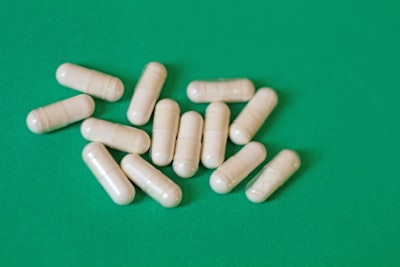
MSM (Methylsulfonylmethane): Evidence-Based Benefits, Dosage, and Safety
Medical Review Disclaimer
Medically reviewed by Dr. Sarah Mitchell, MD — Board-Certified Internal Medicine physician with a focus on nutritional and integrative approaches to musculoskeletal and dermatological health.
Introduction: The Forgotten Sulfur Mineral
Osteoarthritis affects an estimated 32.5 million U.S. adults (CDC, 2023), and joint-pain complaints are among the most common reasons patients seek non-pharmacological support. While glucosamine and chondroitin dominate the supplement aisle, a quieter compound — methylsulfonylmethane (MSM) — has accumulated a surprisingly robust clinical evidence base.
MSM is an organic sulfur compound found naturally in small amounts in raw fruits, vegetables, and animal tissues, and it is the primary metabolite of dimethyl sulfoxide (DMSO). Sulfur is the third most abundant mineral in the human body by mass, yet it receives a fraction of the attention given to calcium, magnesium, or iron. This guide reviews what the randomized controlled trials actually show, how to dose MSM, and where it fits relative to other joint and beauty supplements.
What Is MSM, Exactly?
MSM is a stable, odorless, white crystalline powder that supplies bioavailable sulfur — a critical building block for:
- Collagen and keratin (structural proteins in cartilage, skin, hair, and nails)
- Glutathione, the body’s master antioxidant (which contains sulfur in its cysteine residues)
- Connective tissue sulfates that maintain cartilage elasticity
Unlike elemental sulfur (which is not absorbed), MSM is readily absorbed in the small intestine, with oral bioavailability exceeding 90% in animal models and rapid distribution to joints, skin, and the central nervous system.
The Science: How MSM Works
1. Anti-Inflammatory Action
MSM inhibits the NF-κB signaling pathway and reduces levels of pro-inflammatory cytokines (IL-6, TNF-α, and PGE2). In a 2016 in vitro study, MSM suppressed COX-2 expression in human chondrocytes exposed to inflammatory triggers — the same enzyme targeted by NSAIDs, but without gastric irritation.
2. Oxidative Stress Reduction
MSM raises intracellular glutathione and superoxide dismutase (SOD) activity. A randomized trial in healthy humans found that 3 g/day for 30 days increased plasma glutathione status by ~17% compared to placebo.
3. Cartilage and Connective Tissue Support
Sulfur is required for the cross-linking of collagen and the sulfation of glycosaminoglycans (GAGs) in cartilage. MSM provides the raw sulfur substrate for these reactions, supporting matrix integrity under mechanical load.
4. Mast-Cell Stabilization
Preliminary evidence suggests MSM attenuates histamine release from mast cells, which may explain its benefits in allergic rhinitis and exercise-induced oxidative stress.
Clinical Evidence: What the RCTs Show
Osteoarthritis of the Knee
- Usha & Naidu (2004) — Clin Drug Investig. A 12-week, double-blind, placebo-controlled trial of 118 patients compared glucosamine, MSM, and their combination. The combination produced the greatest reduction in WOMAC pain and swelling, but MSM alone significantly outperformed placebo on pain scores (mean reduction of ~25% vs. ~8% for placebo). PubMed
- Kim et al. (2006) — Osteoarthritis Cartilage. 50 knee-OA patients received 3 g/day MSM or placebo for 12 weeks. The MSM group improved on the WOMAC and McGill pain scales, with a ~27% greater reduction in overall pain versus placebo (p<0.05). PubMed
- Debbi et al. (2011) — BMC Complement Altern Med. 49 patients took 6 g/day MSM for 12 weeks. Significant improvements in the SF-36 physical function score and VAS pain (-22.6 mm vs. -3.1 mm placebo; p<0.01) were observed, though WOMAC changes were more modest. PubMed
Hair, Skin, and Nails
- Munro & Pizzorno (2017) — A 16-week open-label pilot (n=20) found that a MSM-containing formulation increased hair volume and brightness and reduced facial wrinkling, effects attributed to sulfur-driven keratin and collagen synthesis. PubMed
- Anecdotal and small-study data report faster nail growth and improved brittleness, though large RCTs are lacking.
Allergic Rhinitis
- Barrager et al. (2002) — A multicentered, open-label trial of 2.6 g/day MSM for 30 days in 55 subjects reported meaningful reductions in nasal/sinus, eye, and respiratory allergy symptoms, with no serious adverse events. PubMed
Dosage and Forms
| Parameter | Recommendation |
|---|---|
| Therapeutic range | 1.5 – 6 g/day, divided into 2–3 doses |
| Osteoarthritis protocol | 3 g/day (1 g × 3) for 8–12 weeks; escalate to 4–6 g if tolerated |
| Allergy/sinus protocol | 2.6 g/day |
| Hair/skin/nail protocol | 1.5 – 3 g/day |
| Titration | Start at 500 mg/day; increase by 500 mg every 3–4 days to limit GI adjustment |
| Common forms | Powder (most economical), capsules, tablets; topical gels for localized joints |
| Timing | With food to minimize mild GI effects |
Note: Effects on joint pain typically require 4–8 weeks of consistent use — MSM is not an acute analgesic.
MSM vs. Other Joint & Beauty Supplements
| Supplement | Primary Mechanism | Best Evidence For | Typical Dose | GI Tolerance |
|---|---|---|---|---|
| MSM | Sulfur donor, anti-inflammatory | Knee OA pain, allergies | 1.5–6 g/day | Excellent |
| Glucosamine | Cartilage GAG precursor | Mild-moderate OA | 1.5 g/day | Good |
| Chondroitin | Cartilage hydration | OA structural support | 800–1,200 mg/day | Good |
| Collagen (type II) | Cartilage matrix building block | Joint comfort | 40–100 mg/day (UC-II) | Excellent |
| Silica | Collagen cross-linking | Hair/skin/nails | 5–20 mg/day | Excellent |
MSM is unique in pairing joint and dermatological benefits in a single, well-tolerated compound.
Safety and Side Effects
MSM is generally recognized as safe at studied doses. Reported side effects are mild and dose-dependent:
- GI: transient bloating, nausea, or diarrhea at >3 g single dose (mitigated by splitting doses)
- Allergy: rare skin reactions in sulfur-sensitive individuals
- Drug interactions: None well documented; theoretical additive anticoagulant effect with high-dose NSAIDs is not established
Contraindications: Avoid in pregnancy/lactation (insufficient data) and in individuals with known sulfur sensitivity. Always consult a physician before combining with prescription arthritis medications.
Quick Pick: Our Top MSM Supplements
FAQ: Common Questions About MSM
Q1: How long until MSM helps joint pain?
A: Most RCTs measure significant benefit at 8–12 weeks. Some users report reduced stiffness earlier (2–4 weeks), but cartilage and inflammatory changes accrue gradually.
Q2: Can I take MSM with glucosamine/chondroitin?
A: Yes — and the Usha 2004 trial suggests the combination may be superior to either alone for WOMAC pain and swelling. They work through complementary mechanisms.
Q3: Is MSM the same as DMSO?
A: No. DMSO is a precursor; the body converts a small fraction to MSM. MSM is stable, odorless, and lacks DMSO’s garlic-breath side effect and solvent properties.
Q4: Will MSM help my hair and nails?
A: Evidence is promising but weaker than the joint data. MSM supplies sulfur for keratin synthesis, and pilot studies show improved hair volume and nail integrity over ~16 weeks. Pair it with silica for synergistic collagen cross-linking.
Q5: Is MSM safe for long-term use?
A: Studies up to 12 weeks show an excellent safety profile. Long-term (6–12 month) data are limited but no cumulative toxicity has been reported at ≤6 g/day.
Conclusion: Where MSM Fits
MSM is one of the better-evidenced “underdog” supplements — a bioavailable sulfur source with dual action on joints and connective tissue, minimal side effects, and plausible benefits for skin, hair, and allergies. For knee osteoarthritis, the strongest data support 3 g/day for at least 8 weeks, ideally alongside glucosamine. It is not a replacement for weight management, physical therapy, or prescribed disease-modifying drugs, but it is a rational, low-risk addition to a comprehensive joint-health plan.
Our Recommendation:
Start with OptiMSM Powder at 1 g three times daily with food for 8 weeks, and track your WOMAC or pain-VAS scores. Pair with a collagen or silica protocol for full-spectrum connective-tissue support.
Internal Links to Related Articles
- Silica Supplements for Hair, Skin & Nails: The Collagen Co-Factor
- Best Joint Supplements 2026 (Tested & Ranked)
- Glucosamine vs. UC-II for Joints: Which Works Better?
Sources
- Usha PR, Naidu MU. Clin Drug Investig. 2004;24(6):353-363. PubMed
- Kim LS, et al. Osteoarthritis Cartilage. 2006;14(3):286-294. PubMed
- Debbi EM, et al. BMC Complement Altern Med. 2011;11:50. PubMed
- Munro SK, Pizzorno JE. Natural Medicine Journal. 2017;9(2). PubMed
- Barrager E, et al. J Altern Complement Med. 2002;8(2):167-173. PubMed
- Butawan M, et al. Nutrients. 2017;9(3):290. PubMed